
Do Full Mouth Dental Implants Feel Natural? What Patients Can Expect
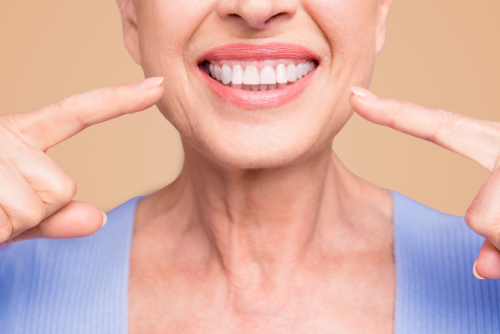
- Most patients say full mouth dental implants feel far closer to natural teeth than dentures, because they are anchored in the jawbone and don’t slip, click, or rub.
- Expect a short adjustment period of a few weeks to a few months while you get used to biting, chewing, and speaking with your new smile.
- Age alone is rarely a barrier. Many baby boomers and older adults are excellent candidates and often notice the biggest difference in comfort and quality of life.
If you are missing most or all of your teeth, or you are tired of dentures that never quite stay put, you have probably heard about full mouth dental implants. One of the most common questions we hear from patients is simple: will they actually feel like my own teeth? The honest answer is that for most people, they come remarkably close. Here is what you can expect.
Why Implants Feel So Different From Dentures
Traditional dentures sit on top of your gums. They rely on suction, adhesive, or clasps to stay in place, which means they can shift when you eat, talk, or laugh. Over time, the jawbone beneath them also shrinks because it no longer has tooth roots stimulating it, which makes the fit worse.
Full mouth implants work differently. Small titanium posts are placed in the jawbone, where they fuse with the bone through a process called osseointegration. Your new teeth are then attached to those posts. Because the teeth are anchored the way natural roots are, they stay fixed in place. There is no plastic plate covering the roof of your mouth, no adhesive, and no worrying about your teeth moving at the dinner table.
What “Natural” Actually Feels Like
Patients often describe their implant teeth as feeling solid and secure. A few specific differences stand out:
- Chewing and biting: Dental implants restore much more of your natural bite strength than dentures. Many patients find they can enjoy foods they had given up, like apples, steak, corn on the cob, and crusty bread.
- Speech: Because nothing shifts or covers the palate, most people speak clearly and confidently once they adjust. Any early lisp or change in pronunciation typically fades within a few weeks.
- Taste and temperature: Without a denture plate covering the roof of your mouth, food often tastes more vibrant and hot or cold sensations feel more normal.
- Sensation: Natural teeth have a ligament around the root that gives subtle feedback about pressure. Implants don’t have that ligament, so the feeling is slightly different at first. Over time, the brain adapts remarkably well, and most patients stop noticing the difference.
The Adjustment Timeline
Every patient heals on their own schedule, but a typical experience looks something like this:
The first few days: Some swelling, tenderness, and mild discomfort are normal. A soft food diet helps your mouth heal.
The first few weeks: You will likely wear a temporary set of teeth while your implants integrate with the bone. These temporaries already feel more stable than dentures, though your bite and speech are still settling in.
Three to six months: Once healing is complete, your final, custom-designed teeth are placed. This is when most patients say everything clicks and their new smile starts to feel like their own.
Full Mouth Implants for Baby Boomers and Older Adults
Many of the patients who benefit most from full mouth implants are baby boomers and older adults. This generation has often lived with years of dental work, from fillings and crowns to bridges and partial dentures, and many have experienced tooth loss from gum disease along the way.
A common worry is that it is “too late” for implants. In reality, age is rarely the deciding factor. What matters more is your overall health, bone density, gum health, and any medical conditions or medications that affect healing. Many patients in their 60s, 70s, and 80s receive implants successfully.
For older adults, the benefits go beyond appearance. Being able to chew comfortably supports better nutrition. Feeling confident when speaking and smiling can make social activities more enjoyable. And because implants help preserve the jawbone, they can prevent the sunken facial appearance that sometimes develops after years of missing teeth.
Factors That Affect How Natural Your Implants Feel
Several things influence your final result:
- The amount and quality of jawbone available, and whether bone grafting is needed
- The health of your gums before and after treatment
- The skill and experience of the periodontist placing the implants
- How carefully your final teeth are designed to fit your bite and facial structure
- Your commitment to daily cleaning and regular checkups
Because periodontists like Dr. Daniel Lauer specialize in the gums and supporting bone, they are especially well suited to planning and placing full mouth implants that look and feel natural for years to come.
Are Full Mouth Dental Implants Right for You?
If dentures are holding you back, or you’re facing extensive tooth loss, full mouth dental implants may give you a smile that feels like your own again. The best way to find out is with a personalized consultation. Contact Precision Periodontics & Implant Dentistry to schedule a visit and learn what your new smile could feel like.
Contact Us